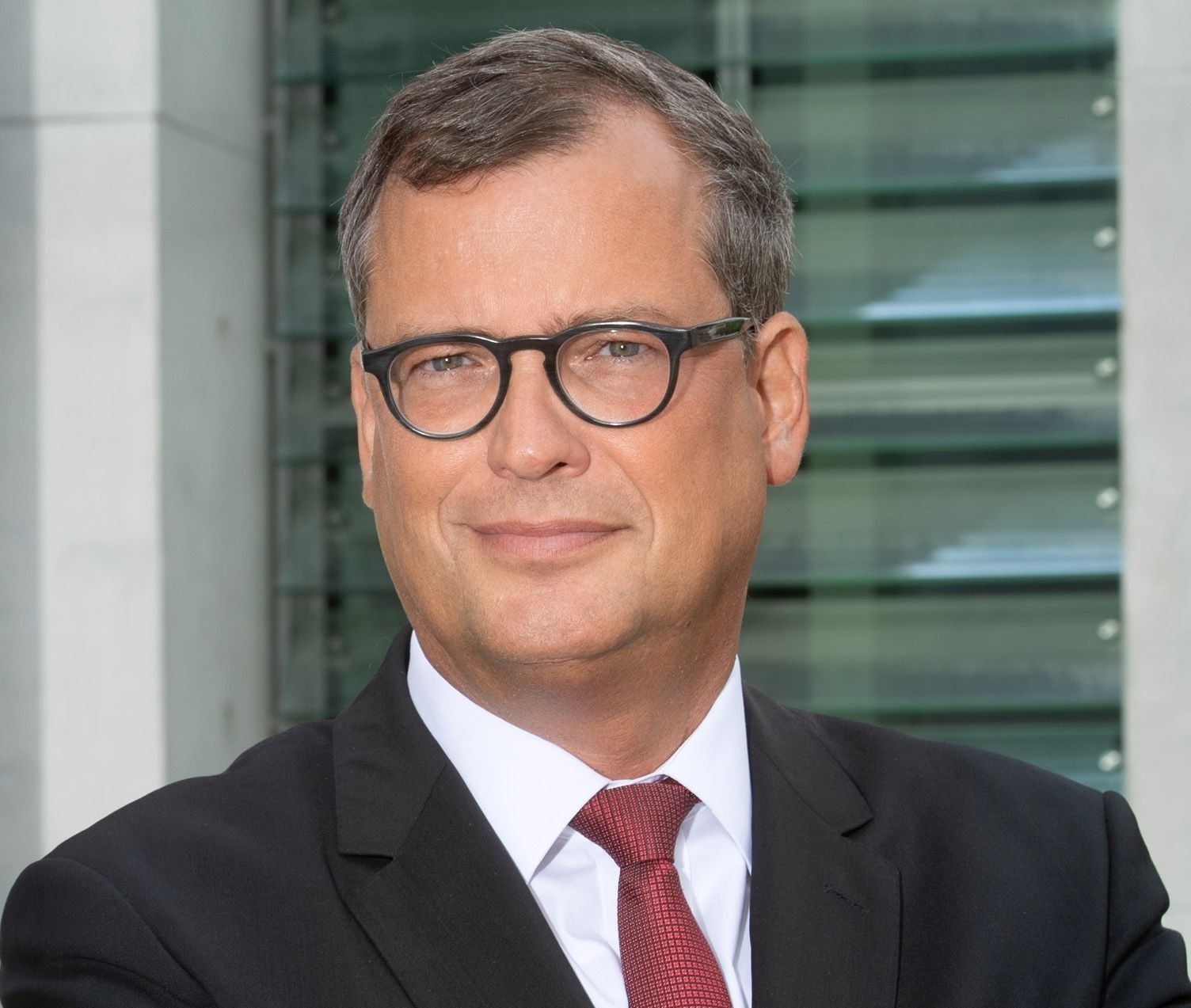
Gerald Haug is a climate scientist, geologist and palaeoceanographer from Karlsruhe, Germany. He researches how the climate has developed over thousands and even millions of years. His work focuses on the causes of climate change and the thresholds that, once exceeded, cause abrupt shifts in the climate system. Of particular importance here are findings from palaeoclimate research, which reconstructs past climatic conditions to help improve our understanding of the dynamics of today’s climate.
Haug and his team have shown that during the ice ages, a more stable physical layering of the water surface in the subarctic North Pacific and in the Southern Ocean around the Arctic reduced biological activity. Such processes provide critical clues as to how susceptible the climate system is to changes.
A key aspect here is the question of whether abrupt climate changes can be reversed. Given the rapidly rising concentrations of greenhouse gases and human-caused global warming, this knowledge is crucial to better assessment of future climate scenarios.
Haug also explores the interdependencies between climate and human civilisations. On the basis of sediment cores off the coast of Venezuela, he was able to prove the occurrence of historical droughts, which coincided with the decline of the Mayan civilisation. For other regions and epochs, too, he found evidence of connections between changes in climate and societal development – such as between the intensity of the monsoon and the history of Chinese dynasties.
In January 2026, Haug was appointed to the German Council for Sustainable Development by Federal Chancellor Friedrich Merz. The Council’s members elected him Chair of the RNE the following month.
Curriculum vitae
Detailed CV of Prof. Dr Gerald H. Haug to download (PDF, 173 KB)
Press photo
This press photo can be used free of charge for reporting purposes with copyright credit.
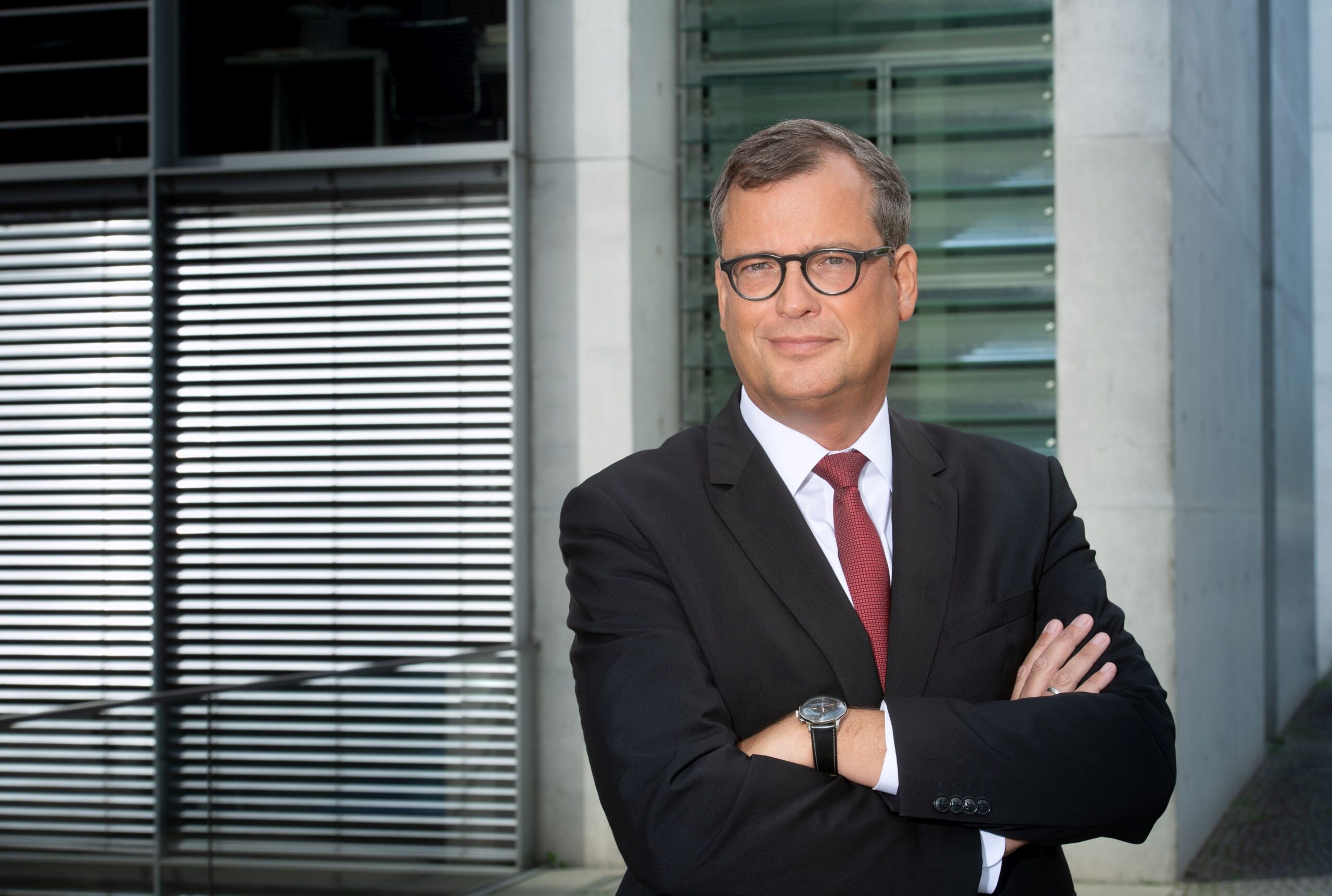
To download the photo directly, we recommend right-clicking it or the relevant link. Then select “Save image/link as…” (or similar) from the pop-up menu.